Choosing the right injection molding material for your business can feel like a hard puzzle. If you pick the wrong plastic, your parts might break too easily. Or, they might be too soft and bendy. This wastes your money and your time. No one wants to make a product that falls apart!
But here is the good news: making the right choice does not have to be scary. This guide will help you understand plastic in a very simple way. We will show you how to pick the best material so your parts come out perfect every time.
What is Injection Molding Material?
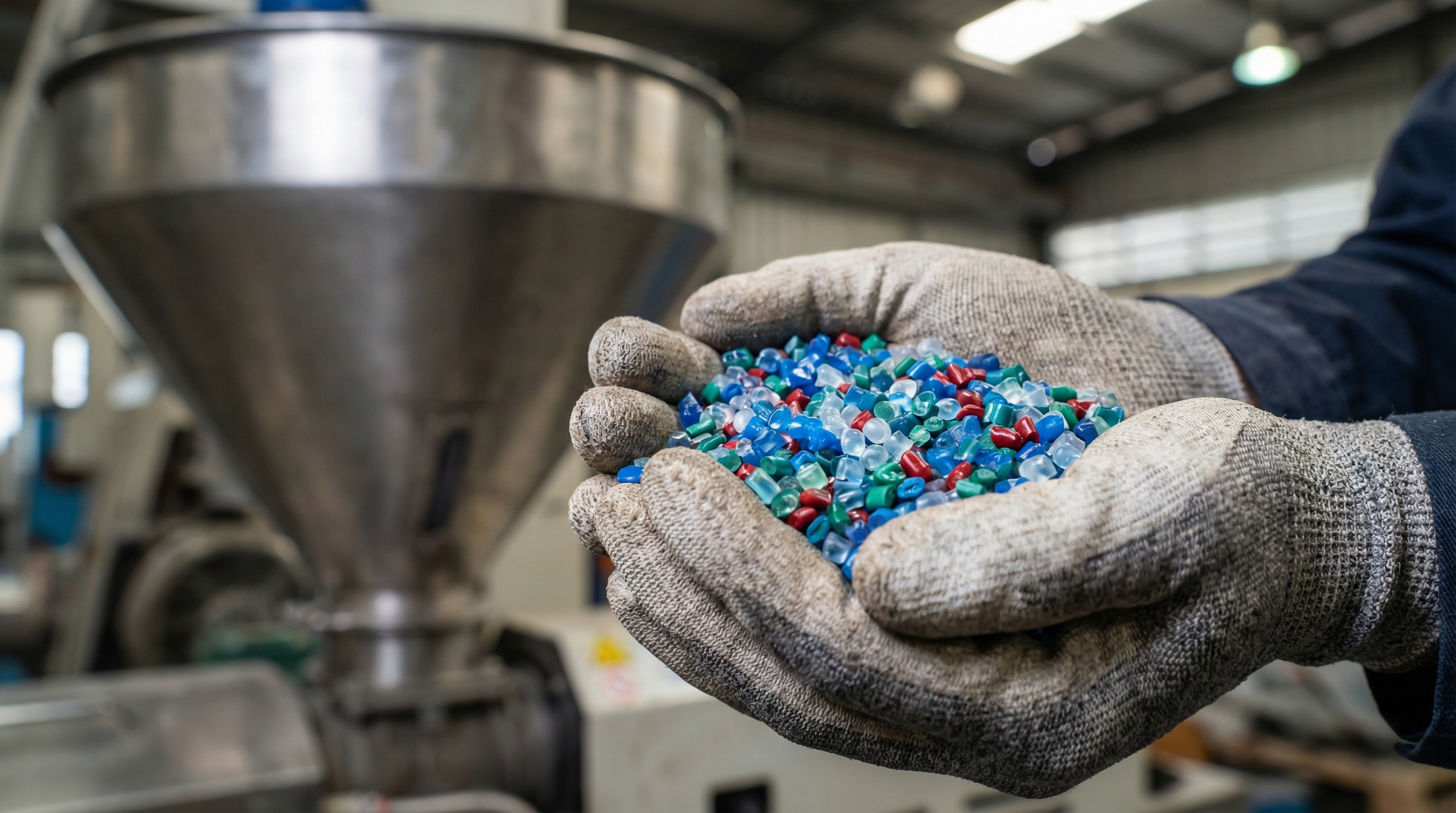
Before we make a plastic part, we need the “ingredients.” Injection molding material usually starts as tiny, hard beads. Some people call them pellets. They look a bit like colorful grains of rice.
Think about it like baking a cake. You need the right flour to make the cake taste good. In a factory, a big machine sucks up these beads and gets them very hot. When the beads melt, they turn into a thick liquid, almost like honey. The machine then squirts that liquid into a metal mold.
Once the liquid cools down, it turns back into hard plastic. It takes the exact shape of the mold.
Different Types of Materials
Not all plastics are the same. Some are hard, some are soft, and some can even go in the microwave! Here are the most common types of injection molding material used in factories today:
| Plastic Name | What is it like? | Best used for… | |
|---|---|---|---|
| ABS | Very strong and tough. | Cool toys (like LEGOs) and car parts. | |
| PP (Polypropylene) | Bends without breaking and is safe for food. | Lunch boxes and yogurt cups. | |
| PC (Polycarbonate) | Clear like glass but very hard to break. | Safety glasses and light covers. | |
| Nylon | Very slippery and strong. | Gears and moving parts in machines. |
How to Pick the Right One?
How do you know which one to use? You have to think about what your part will do.
Here is a secret: you should always ask your engineers for help. But first, ask yourself these three simple questions:
- Does it need to be strong? If you are making a tool, you need a tough material like ABS. If it is just a light cover, you might want something clear like PC.
- Does it need a special color? Some plastics take color very well. Others are better if you want them to be clear so you can see through them.
- Will it get hot? Some plastics melt if they get too warm. Make sure your plastic can handle the heat!
Making Sure the Quality is Good
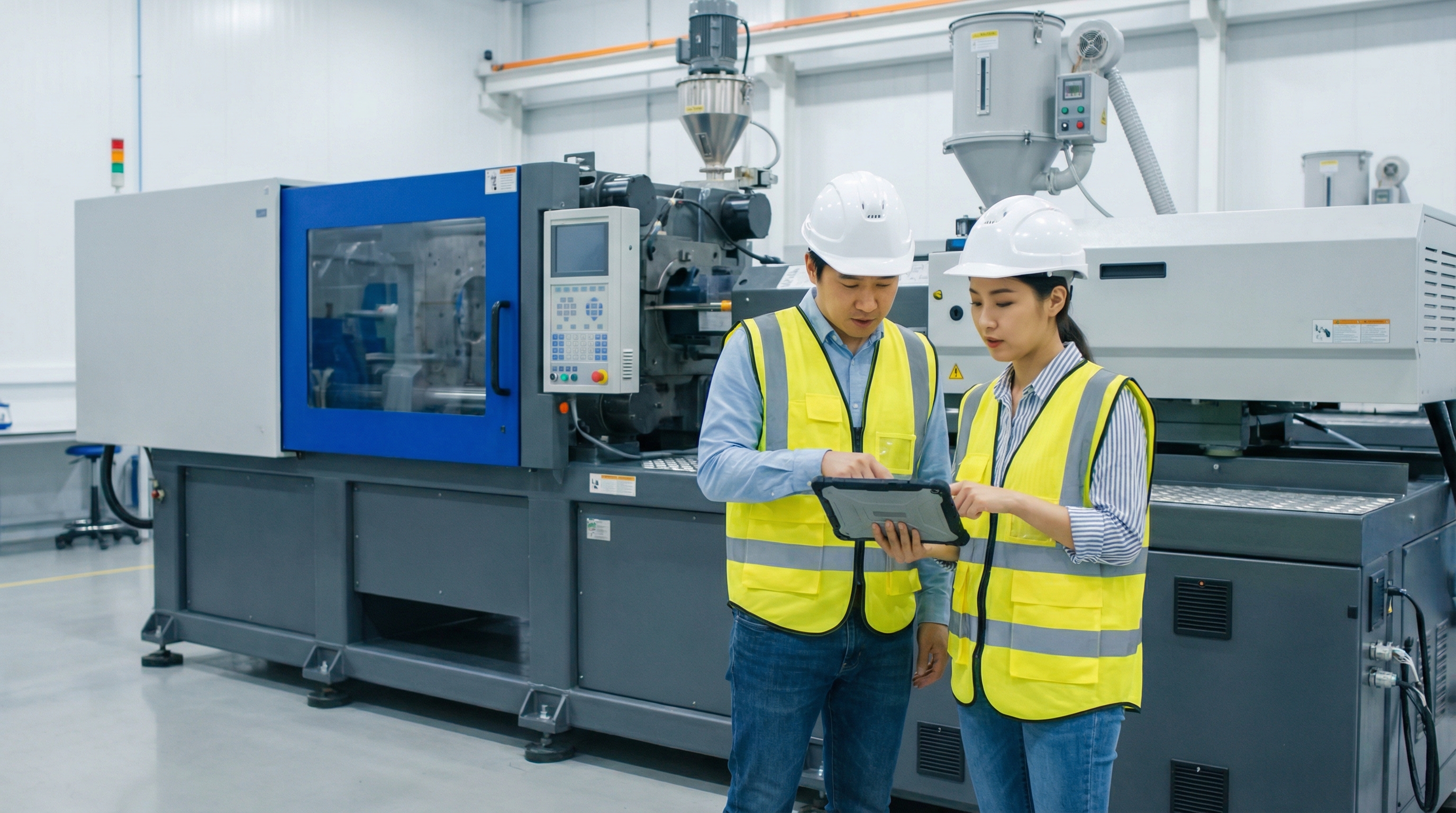
Once you pick your material, the factory must check the parts. This is called Quality Control.
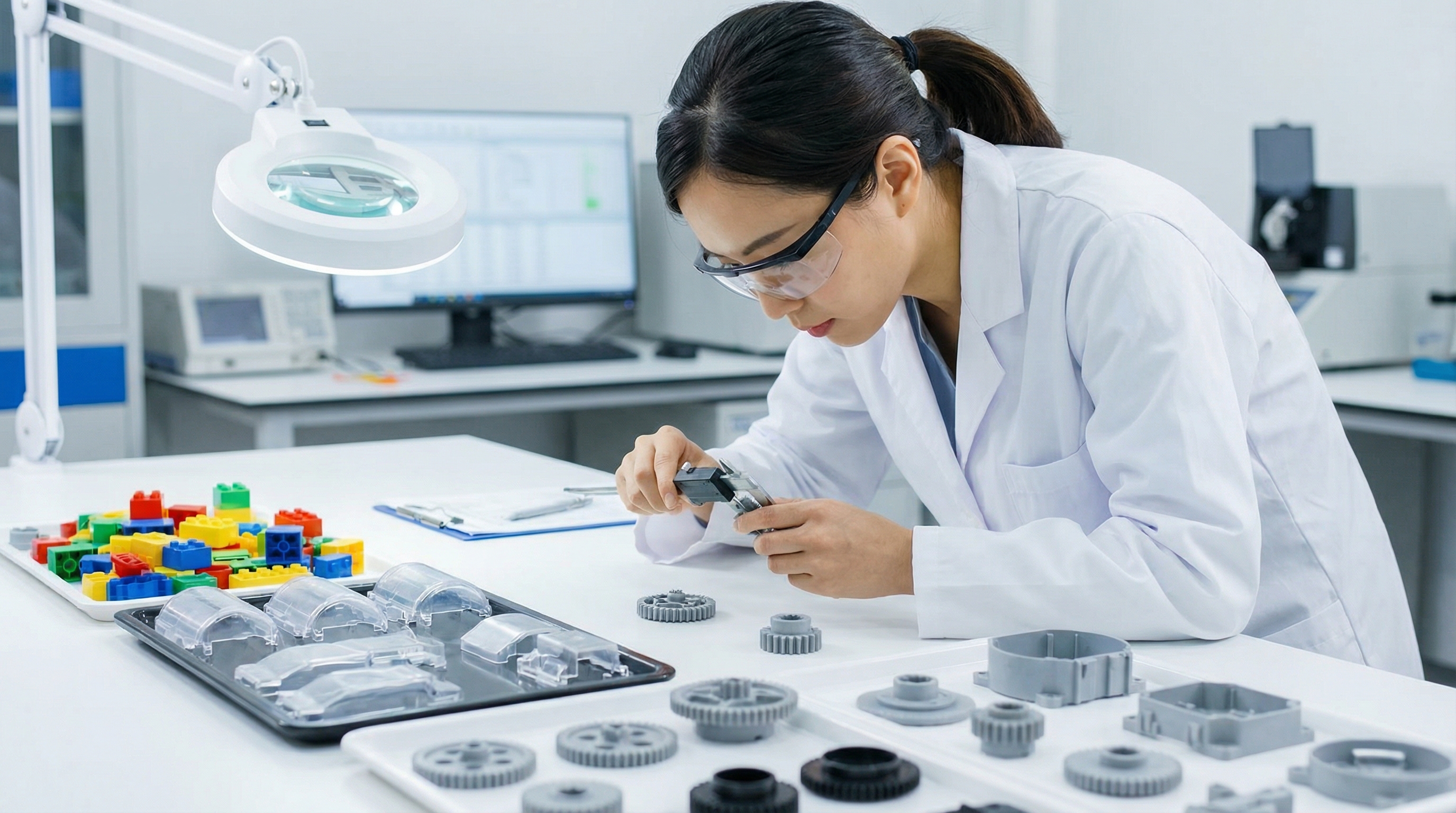
At a good factory, workers use special tools to measure the parts. They make sure every part is the exact same size. They also check for “bubbles” or “cracks” in the plastic. If a part is not perfect, they fix the machine. This ensures that when you get your box of parts, every single one is ready to use.
Why HST Technology is the Best Choice
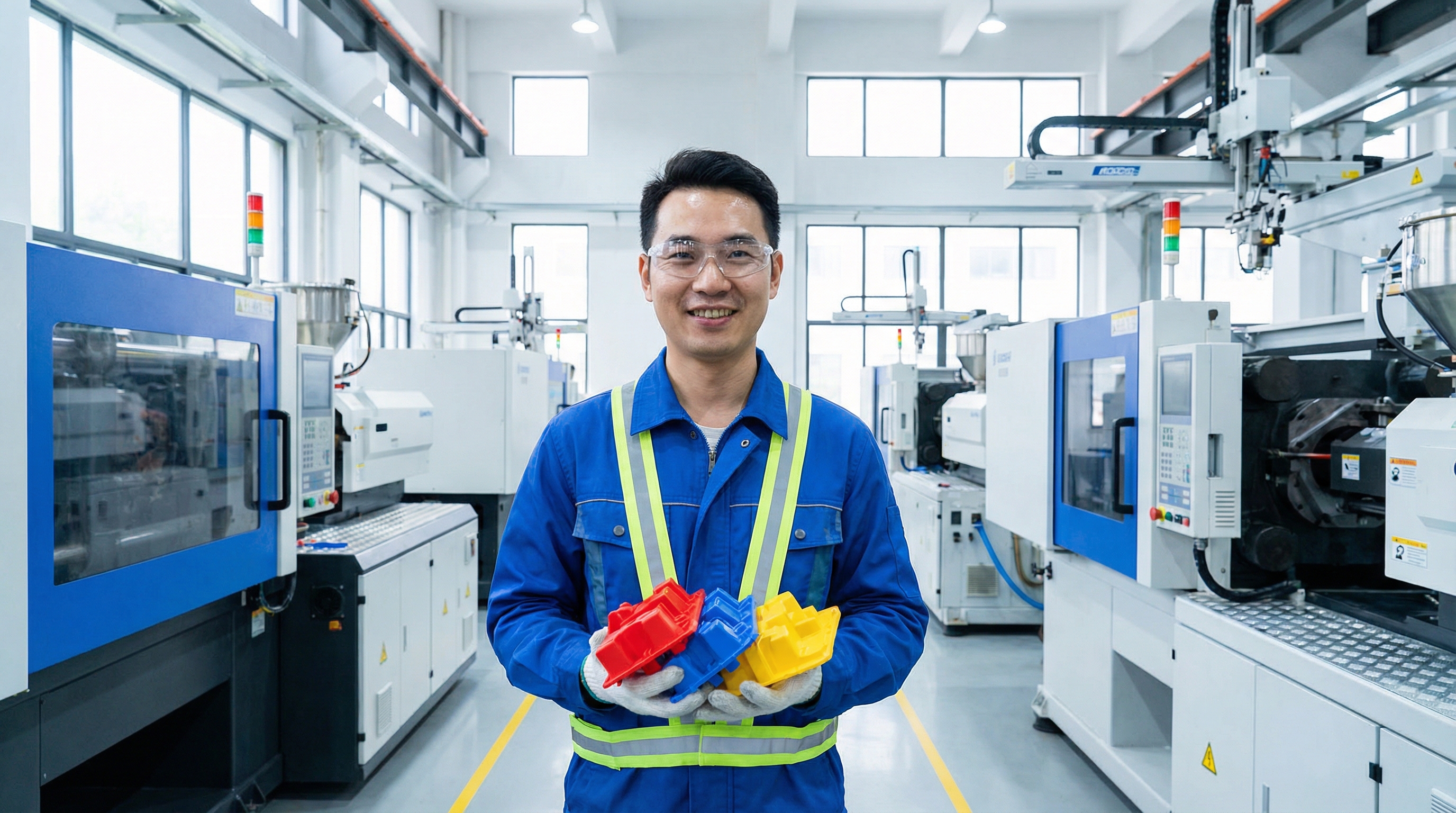
Picking the right material is easier when you have an expert to help. That is where HST Technology comes in. They are a real factory in Guangdong, China. They have over 10 years of experience making things for people all over the world.
“HST eliminated the uncertainty we faced with Chinese suppliers. Quality has been consistent across three production runs.” — Procurement Manager, Germany.
Here is why businesses love working with them:
- Direct Factory: They make everything themselves. This means there are no middle-men and no hidden costs.
- Fast Help: Their engineers answer questions within 24 hours. If you are confused about a material, they will tell you exactly what to do!
- European Quality: They have been sending parts to places like Germany and the UK for a long time. They know how to make things “just right” for high standards.
FAQ Section
Can I recycle injection molding material?Yes! Many plastics like PP and ABS can be melted down and used again to make new things. This is great for the planet.
Is the plastic strong enough for cars?It depends on which one you pick. Some plastics are so strong they are used to build cars, airplanes, and even medical tools!
How do I get the right color?The factory mixes special “color beads” with the clear or white plastic beads to get the exact color you want. It’s like mixing paint.
Is it expensive?Some plastics cost more than others. Working with a direct factory like HST Technology helps keep the price low because you buy directly from the maker.

Conclusion
Finding the right injection molding material does not have to be a headache. By knowing the basics of ABS, PP, and PC, you can start your project with confidence.
Remember, the most important step is working with a partner you can trust. HST Technology offers factory-direct reliability, fast answers, and over a decade of experience. They will help you pick the right “ingredients” so your business can grow.
Ready to start? Contact HST Technology today for a free quote and let the experts handle the hard parts for you!